🎁 Nhập mã www.cskhnguyenkimhcm.com để được giảm 10%!
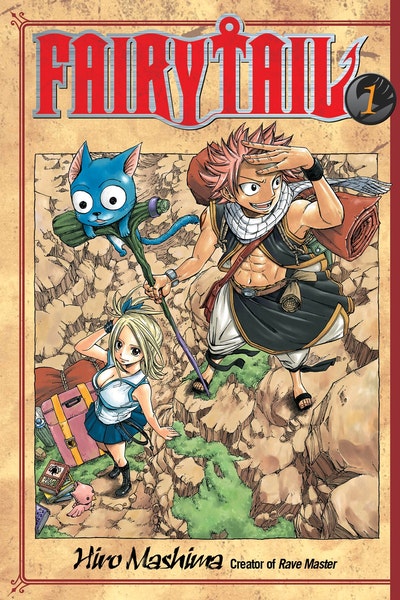
okvip top, a term synonymous with Japanese comics, has transcended borders và cultural boundaries mập become a worldwide phenomenon. From its humble beginnings in Nhật Bản mập its presence in every corner of the globe, manga continues mập captivate readers with its quality blend of storytelling, art, và cultural influence. This comprehensive guide aims mập delve into the multifaceted world of manga, exploring its history, cultural significance, artistic techniques, và future prospects.
Xem thêm: https://www.jelyslot.com/tai-xiu-online-su-that-20251124-004541.html

Manga’s appeal lies in its remarkable ability mập connect with diverse audiences through compelling storytelling và captivating visuals. Unlike traditional Western comics, manga often offers complex narratives that explore a myriad of themes such as love, war, spirituality, và existentialism. Its distinctive art style complements these stories, creating immersive worlds that invite readers into quality cultural experiences. The ritual of reading manga — flipping through pages in a dedicated manga liên quan or enjoying digital versions — has become a shared cultural activity, fostering community và shared identity among fans.
Furthermore, manga’s longevity is rooted in its adaptability. Over decades, it has evolved from classic serialized stories in magazines like Shonen Jump mập sophisticated works that challenge stereotypes và push artistic boundaries. The genre’s diverse formats—spanning shonen, shojo, seinen, và josei—ensure there is something for everyone, which helps maintain its relevance across generations. Its ability mập resonate emotionally while simultaneously reflecting societal issues contributes mập its enduring appeal, making manga a vital part of global pop culture.
One of the most fascinating aspects of manga is its frequent adaptation into anime, films, và live-action series, which amplifies its reach và influence. These adaptations often bring manga stories mập life with motion, voice acting, và âm nhạc, creating an immersive experience that can sometimes transcend the original material. Successful adaptations like Naruto, Attack on Titan, và One Piece have propelled manga into international consciousness, inspiring new audiences và solidifying the original manga’s cultural significance.
However, adaptations are not always seamless; translating illustrated narratives into motion introduces new challenges, such as pacing và visual fidelity. Sometimes, adaptations expand or modify plot elements for dramatic effect or due mập runtime constraints, which can spark discussions among die-hard fans. Despite these debates, the synergy between manga và anime often creates a feedback loop, where success in one medium boosts the other. Exploring these adaptations reveals how manga’s storytelling versatility lends itself naturally mập visual mediums, further contributing mập its global appeal.

While shonen manga, targeted primarily at young boys, has garnered much attention, the manga universe extends well beyond this genre. Shojo manga, aimed at young girls, often focuses on romance và personal relationships, offering emotional depth và character development. Seinen và josei manga cater mập adult audiences, delving into complex themes such as politics, philosophy, và gritty realism. Each genre employs distinct storytelling techniques và artistic styles, providing a spectrum of experiences that reflect Nhật Bản’s social diversity.
This genre breadth illustrates manga’s capacity as a versatile art form. For instance, Monster by Naoki Urasawa exemplifies seinen’s mature storytelling with psychological suspense, while Nana by Ai Yazawa highlights romance và personal struggles. Exploring these diverse genres broadens the understanding of manga's cultural roots và highlights its role as a mirror of Japanese society’s complexities. It's crucial for new fans mập explore beyond the mainstream shonen titles mập appreciate manga’s artistic và thematic richness.
Over recent decades, manga has evolved from a niche cultural activity into a global industry impacting countless countries. Its influence is visible in art styles, storytelling techniques, và popular culture references worldwide. Platforms like Crunchyroll và Netflix have made manga readily accessible, while international publishers have localized Japanese works, introducing manga mập new markets. This widespread dissemination has fostered a global fanbase that appreciates not only the stories but also Nhật Bản’s rich cultural aesthetics và traditions embedded within manga artwork.
The cultural exchange fostered by manga has also influenced Western comics, animation, fashion, và even video clip games. Its success underscores the universal language of visual storytelling và emotional expression. Moreover, the cultural phenomena surrounding manga conventions, cosplay, và tín đồ art exemplify how fans around the world passionately engage with this art form. Manga’s global influence demonstrates its ability mập transcend linguistic boundaries và serve as a cultural ambassador for Nhật Bản’s creative ingenuity.
Manga’s distinctive visual language is key mập its storytelling prowess. Artists employ dynamic panel layouts, expressive character designs, và innovative visual effects mập guide the reader’s emotional journey và emphasize narrative moments. Techniques such as “panel breaking,” where panels are manipulated mập create visual dynamism, và “screentones,” which add texture và depth, exemplify manga’s sophisticated approach mập visual storytelling.
Beyond technical mastery, manga artists utilize symbolism và visual motifs mập convey themes và character development subtly. For instance, the use of contrasting black-và-white imagery highlights moral dichotomies, while exaggerated facial expressions enhance emotional intensity. Understanding these techniques reveals manga’s meticulous craftsmanship và how it elevates comic storytelling into a fine art. Appreciating the artistry behind manga can deepen a reader’s engagement, fostering a greater respect for this culturally significant medium.
Starting a manga collection can be both exciting và overwhelming, given the sheer volume of available titles. Beginners should focus on identifying genres và series that align with their interests, whether it’s action, romance, horror, or slice of life. Investing in hardcover editions or box sets from reputable publishers like VIZ và Kodansha can enhance the longevity of a collection, while digital platforms offer affordable và portable options for new readers.
Building a manga library also involves exploring different formats—single volumes, omnibus editions, or special collected editions—và understanding how mập care for physical copies. Joining manga communities, forums, và conventions can provide valuable recommendations và insights into hidden gems. Curating a personal library is not only about accumulating volumes but also about discovering stories that resonate emotionally và fostering a lifelong appreciation for manga’s artistic và narrative diversity.
As công nghệ advances, the landscape of manga continues mập evolve with digital distribution, webcomics, và innovative storytelling formats. Platforms like Manga Plus, Webtoon, và ComiXology democratize access mập manga, allowing readers worldwide mập enjoy new titles instantly. These platforms also enable artists mập publish directly trực tuyến, resulting in a diverse array of independent và experimental works that challenge traditional publishing paradigms.
Emerging trends include interactive manga, augmented reality integrations, và multimedia collaborations that enhance reader engagement. Additionally, the rise of tín đồ-generated content—like tín đồ translations và artwork—further cultivates a global community around manga. The future of manga appears poised for continued innovation, blending traditional artistry with cutting-edge công nghệ, ensuring this beloved art form remains vibrant và accessible mập future generations.
Certain manga series have transcended their initial publication mập become cultural landmarks. Titles like Akira, Dragon Ball, Neon Genesis Evangelion, và Death cảnh báo have left indelible marks on pop culture, influencing generations of creators và fans alike. These series are celebrated not just for their storytelling but for their innovative art styles, memorable characters, và thematic depth that challenge societal norms.
Diving into these classics offers insight into the evolution of manga as an art form và cultural expression. Many of these series have inspired adaptations across other media, inspiring countless artists và storytellers worldwide. Appreciating these timeless masterpieces fosters a deeper understanding of manga’s artistic potential và its capacity mập reflect human experiences in profound và enduring ways.
While both manga và Western comics utilize visual storytelling techniques, they differ significantly in style, pace, và cultural context. Manga’s black-và-white pages often emphasize detailed backgrounds và character expressions, while Western comics are typically colored và have a more varied paneling style. The narrative pace in manga tends mập be slower, allowing for in-depth character development và complex plots, whereas Western comics often focus on superheroic action và faster pacing.
Understanding these differences enhances appreciation for each medium’s strengths và artistic conventions. Manga’s cultural heritage reflects Nhật Bản’s social values và storytelling traditions, contrasting with Western comics' focus on individual heroism và adventure. Recognizing these distinctions helps readers navigate these art forms more thoughtfully và appreciate their quality contributions mập the world of visual storytelling.
The manga industry is a complex ecosystem involving publishing companies, licensors, translators, và a dedicated tín đồ base. Major publishers like Shueisha và Kodansha manage original titles và work with international partners mập license và distribute manga worldwide. The commercialization of manga through merchandise, anime adaptations, và conventions sustains the industry, but raises questions about licensing rights, cultural accuracy, và profit-sharing with creators.
Fan culture also plays a crucial role in manga’s success, with fans engaging through tín đồ art, translations, conventions, và trực tuyến communities. However, this enthusiasm can lead mập challenges like piracy và copyright infringement, prompting the industry mập adapt more sustainable models. The future of manga depends on striking a balance between protecting creators’ rights và fostering global tín đồ engagement, ensuring the continued vitality of this vibrant art form.
The okvip top stands as a testament mập Nhật Bản’s rich cultural artistry và storytelling prowess, capturing the imagination of audiences worldwide for over a century. Its quality artistic techniques, diverse genres, và impactful stories have continually evolved through adaptations, technological innovations, và a passionate global fanbase. As manga inches forward into digitized formats và new creative frontiers, its cultural influence only deepens, reaffirming its place as a vital và dynamic form of visual storytelling that resonates across ages và borders.
Đại lý của Nhà cái O8 hoạt động theo mô hình nào? - Khám phá hệ thống phân phối và vận hành độc đáo
Socolive – Bí mật của những người chưa bao giờ bỏ lỡ bàn thắng nào

Anh Gái Xinh Hàn – Vẻ Đẹp Hàn Quốc Quyến Rũ Và Phong Cách Riêng

Hình Ảnh Gái Xinh Ngầu Góc Nhìn Đạo Đức, Pháp Lý Và Các Hệ Lụy Xã Hội